Commentary: Why Is Taiwan's DPP Blocking 'A Letter to Grandma' From Theaters?
Mainland film "A Letter to Grandma" has topped 100 million yuan overseas and won over Taiwanese audiences, yet it can only screen twice at a festival on the island. A commentary asks why the DPP authorities are keeping it out of theaters.
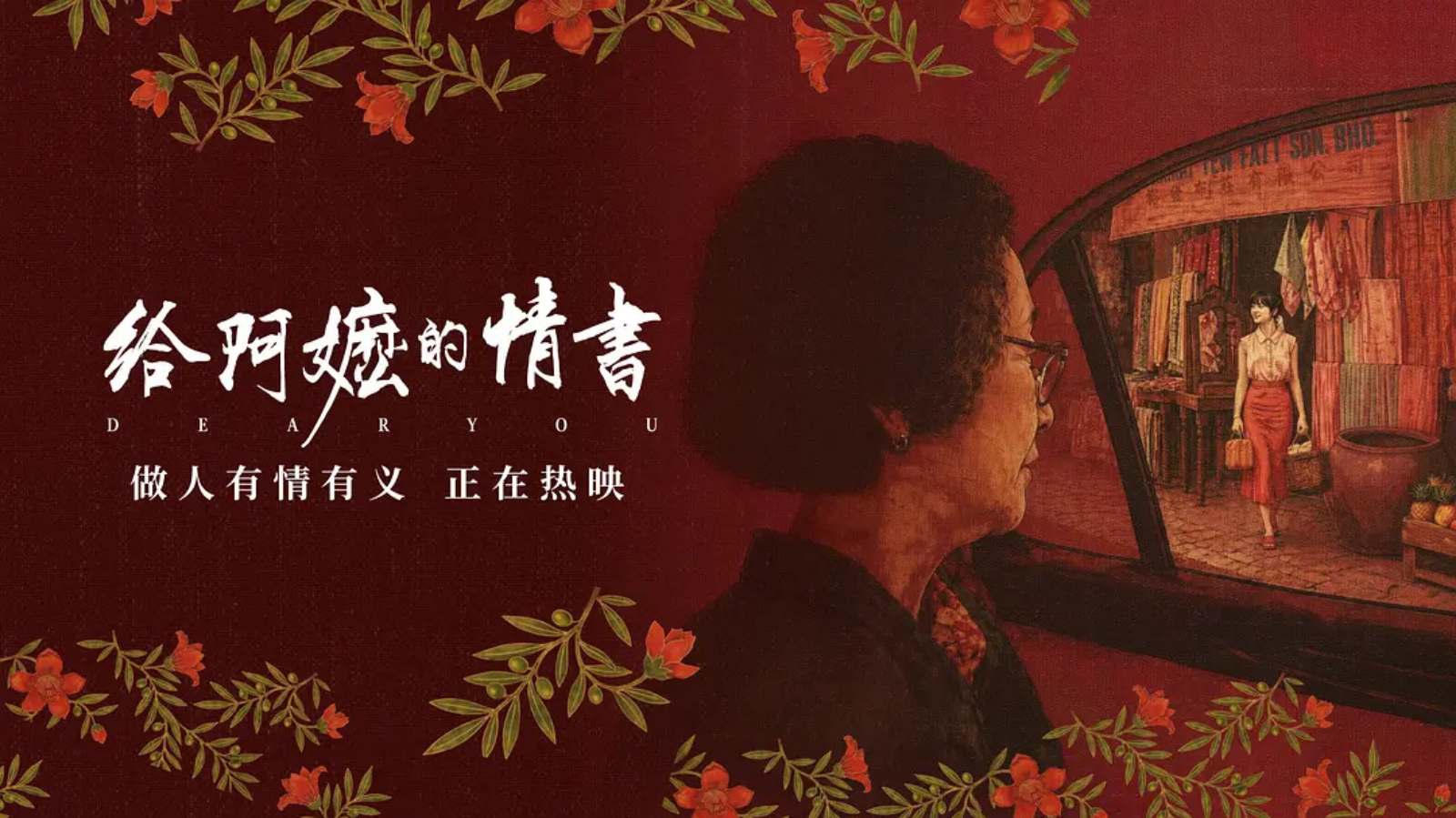
Photo: The Paper (NetEase Hao)
As of August 18, the overseas box office for the film "A Letter to Grandma" had surpassed 100 million yuan. The movie has already opened in a number of overseas theatrical markets, including Singapore, Malaysia, Australia, the Philippines, Indonesia, Thailand and Japan. Soon it will also reach North American theaters on September 4.
In Taiwan, however, the film can only be shown briefly in a festival setting — and for just two screenings. So what exactly is going on? Could it be that Taiwanese audiences simply lack interest in the film? Of course not.
On August 15, "A Letter to Grandma" screened at the 2026 Taoyuan Film Festival to a packed house, with long lines of people filing in before the show began. After the screening ended, many audience members remained seated, savoring the film, until staff asked them to leave. Several Taiwanese viewers said, "I was in tears 20 minutes in — the film is deeply moving." Yet, as retired Taiwanese teacher Ou Guizhi put it, apart from coming to Taiwan by way of a film festival, there is currently no other way for the public to see this film, which is a great pity.
According to media reports, the Teochew-dialect version at the Singapore premiere sold out just 1.5 hours after tickets went on sale — driven in part by younger locals rushing to the theater to hear the hometown accent of their forebears. For the broad Taiwanese audience, then — sharing the same culture and language across the strait — how endearing a film like "A Letter to Grandma," with its extensive dialogue in the Teochew dialect, a branch of Hokkien, would feel goes without saying.
Many netizens on the island commented, "Why can't it be shown in theaters across Taiwan? We don't even get a chance to see it." That question voices the sentiment of ordinary Taiwanese people.
Under the current rules set by Taiwan's DPP authorities, mainland films seeking theatrical release in Taiwan must enter a lottery at the end of each year; only the ten films drawn are eligible for an official release in Taiwan the following year. This unreasonable restriction has kept a large number of outstanding mainland films off the island. Last year's "Ne Zha 2," which topped the global animation box office, was consequently shut out of Taiwan's theaters — leaving many Taiwanese film fans dismayed and deeply frustrated.
Taiwanese audiences' love for "A Letter to Grandma" shows not only that the film's abundant Teochew dialect, its core themes of integrity and friendship, and its strong sense of family and homeland resonate with them, but also that compatriots on both sides of the strait share a common heritage and strong connection to Chinese culture. Since Taiwan compatriots wish to see more outstanding mainland films released in Taiwan, why do some insist on defying public opinion and deliberately obstructing them? What exactly are they afraid of?
Though the screenings can be counted on one hand, "A Letter to Grandma" — which tells the story of an older generation of overseas Chinese seeking a living in Southeast Asia — echoes the history of Taiwan's ancestors "crossing from Tangshan to Taiwan," and has touched a tender place deep in the hearts of many on the island. Many Taiwanese netizens commented beneath news reports on the screenings: "My grandfather came to Taiwan from the mainland, similar to the film's background," and "The elders in my family struggled through hardship too. Over the past century in China, every family has a story of toil and striving."
Between the lines, all of it reveals how Taiwan compatriots cherish and long for cultural touchstones of the nation such as family ties and homeland. Clearly, Taiwanese people are eager for this film to open in theaters in Taiwan, so that more people have the chance to see this movie brimming with family affection and nostalgia. Public sentiment cannot be held back forever, and the DPP authorities can no longer play deaf and mute to the voices of Taiwanese audiences.
The Paper chief commentator Dong Ping
Source: The Paper (NetEase Hao) — https://www.163.com/dy/article/L4KMN5H40514R9P4.html