Taiwan Government Sank $5M Into Giddens Ko's 'Kung Fu,' Which Grossed Just $1.5M; Culture Minister Apologizes
Taiwan's government poured more than NT$150 million in subsidies and investment into Giddens Ko's film "Kung Fu," which grossed only about NT$46.93 million. Culture Minister Lee Yuan called the outcome "utterly astonishing" and apologized to taxpayers.
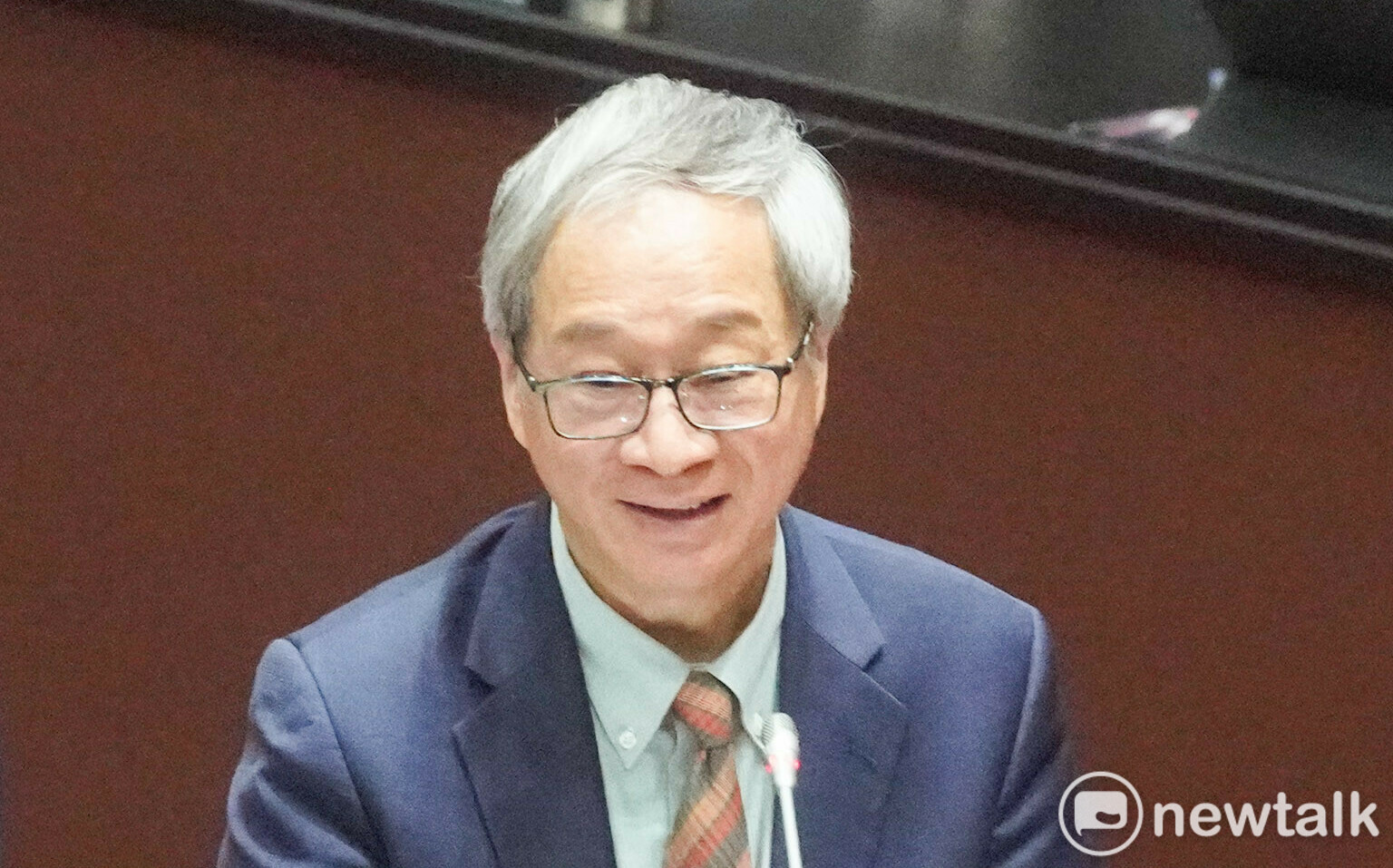
Photo: Newtalk
A government-backed film directed by author Giddens Ko, "Kung Fu," received more than NT$150 million in combined government subsidies and investment, yet ultimately grossed only about NT$46.93 million, drawing widespread attention. When the Legislative Yuan's Education and Culture Committee reviewed the Ministry of Culture's 2026 budget on July 2, Kuomintang (KMT) lawmakers repeatedly questioned the investment strategies of the Ministry of Culture and the Taiwan Creative Content Agency (TAICCA). Culture Minister Lee Yuan admitted that the result of the "Kung Fu" investment was "utterly astonishing," and apologized on behalf of TAICCA to the public who care about the development of Taiwan's film and television industry and to all taxpayers.
KMT legislator Lo Chih-chiang pointed out that the total production cost of "Kung Fu" was about NT$265 million, of which TAICCA invested roughly NT$100.07 million through the National Development Fund, and the Ministry of Culture provided a further NT$53 million subsidy. Government funding exceeded NT$150 million, accounting for 58% of the overall production cost, yet the film grossed only about NT$46.93 million. This not only caused losses to the National Development Fund but also crowded out resources available to other directors and film teams. He therefore proposed freezing 20% of TAICCA's operating and development budget — about NT$150 million — and demanded that the Ministry of Culture review its investment system.
In response, Lee Yuan said that project-based investment inherently carries high risk. The reason for heavily investing in "Kung Fu" at the time was mainly the strong box-office track record of Giddens Ko's many previous works, combined with the fact that Taiwan had not had a major kung fu film in years, and the hope of pioneering a new genre. However, the final result indeed fell short of expectations, and the outcome was "utterly astonishing." He publicly apologized on behalf of TAICCA for the failed investment, as well as to the public and taxpayers who care about Taiwan's film and television industry.
Lee explained that going forward, the Ministry of Culture will gradually reduce the proportion of high-risk project investments and return to models such as investment funds and investment companies to diversify risk. For the next-phase NT$10 billion investment plan sought from the National Development Fund in 2024, two additional review procedures will be added to strengthen investment assessment and control. Appointing Deputy Culture Minister Wang Shih-szu to concurrently serve as TAICCA chairman was intended to help the agency re-examine its systems and address past problems.
KMT legislator Lo Ting-wei emphasized that "Kung Fu" was not an isolated case. Other losses included "My Best Friend's Breakfast" (NT$8.23 million), "A Cool Fish Reborn" (NT$8.97 million), "Untold Herstory" (NT$9.97 million), "My Heavenly City" (NT$11.69 million), "The Bridge Curse" (NT$14.37 million), and "Marry My Dead Body"-related titles (NT$17.82 million), among others.
Lo Ting-wei called on the government to establish a comprehensive mechanism for pre-investment assessment, mid-investment tracking, and post-investment performance disclosure and review, to avoid over-concentration of resources, so that more works of different genres and more creators have the chance to receive support, and to boost public trust in cultural investment. Lo Chih-chiang praised Lee Yuan for his public apology and proposed reforms, and lowered his original proposal to freeze 20% of the budget, ultimately merging it with Lo Ting-wei's proposal.
The frozen items included: NT$8 million for media policy and business promotion, NT$2 million for the Cultural Black Tide Plan, NT$1 million for general administrative expenses, NT$11.5 million for cultural and creative industry operations, NT$1 million for humanities and development expenses, NT$1 million for film, television and pop music development operations, NT$10 million for developing international digital communication (with a NT$10 million cut), and NT$3 million for the Bureau of Audiovisual and Music Industry, among others. Funds may only be released after the Ministry of Culture submits a written report and the committee approves it.
In an interview after the meeting, Lee Yuan said he was very grateful that many legislators spoke up for the Ministry of Culture, and that many of the criticisms raised during the process were quite constructive. Budget review is not only about the budget itself — he also learned a great deal about various sectors' views on culture. For example, on why "Kung Fu" received about NT$150 million in National Development Fund and Ministry of Culture subsidies: the work was highly original, but given so much funding with no return in the end, he apologized for the system and assured everyone that he hopes to reform it.
Source: Newtalk — https://newtalk.tw/news/view/2026-07-03/1044920